






Antitrust accusations and Google: HBS and Columbia study fuels debate
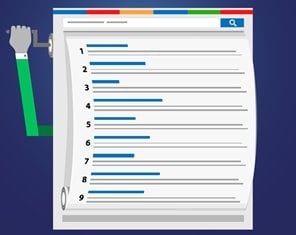
In a new study coauthored with Harvard Business School (HBS) professor, Michael Luca, Columbia’s Tim Wu believes he has found evidence that Google’s fondness for displaying its own content is weakening the service it provides consumers. The findings have clear implications to the antitrust (competition law) allegations that have been leveled at the influential firm.
In the study, half of 2,690 participants were shown a typical Google results page, featuring much of its own content, in answer to queries about local businesses. The other half - by virtue of an internet plug-in - were treated to organic results picked out as the most relevant by Google’s algorithm. The result? Those with the merit-based results were found to be 45% more likely to click on one.
The study was funded by Yelp, a Google competitor, but Wu, author of The Master Switch: The Rise and Fall of Information Empires said he agreed to the assignment because he believed it to be a “righteous cause” and that his and Luca’s findings run counter to the principles of a company he says he still admires.
The Columbia and HBS paper, presented at the University of Oxford’s Antitrust Enforcement Symposium threatens to put a dent in Google’s defense against accusations from European regulators that the company violates antitrust law (it’s not the only big tech firm under scrutiny from European regulators – Amazon has also been put under the spotlight). The defense revolves around Google’s argument that showing its own answers at the top of a results page improves the consumer’s experience.
“It’s a legal exercise of monopoly if it hurts competitors while helping consumers, but if it hurts consumers while also hurting competitors, then there is no justification for the conduct,” Wu told Bloomberg.
Although there was no official reply forthcoming from Google, the paper has been questioned for its assumption that more clicks equates to better search results.










Get closer to your dream programme
Your consent preferences have been set.
Time to start exploring.
Your account has been removed.
You can still browse the site or sign up again once you have parental consent.
Get closer to your dream programme